Craniosacral Therapy for Infant Feeding
In this 6-hour course, you'll learn the foundational anatomy, assessment, and hands-on techniques of infant craniosacral therapy, and how to apply them to identify and address compensatory tension patterns that impact oral motor function, feeding readiness, and physiologic stability for better feeding outcomes.
6 hours, 0.6 AOTA CEUs
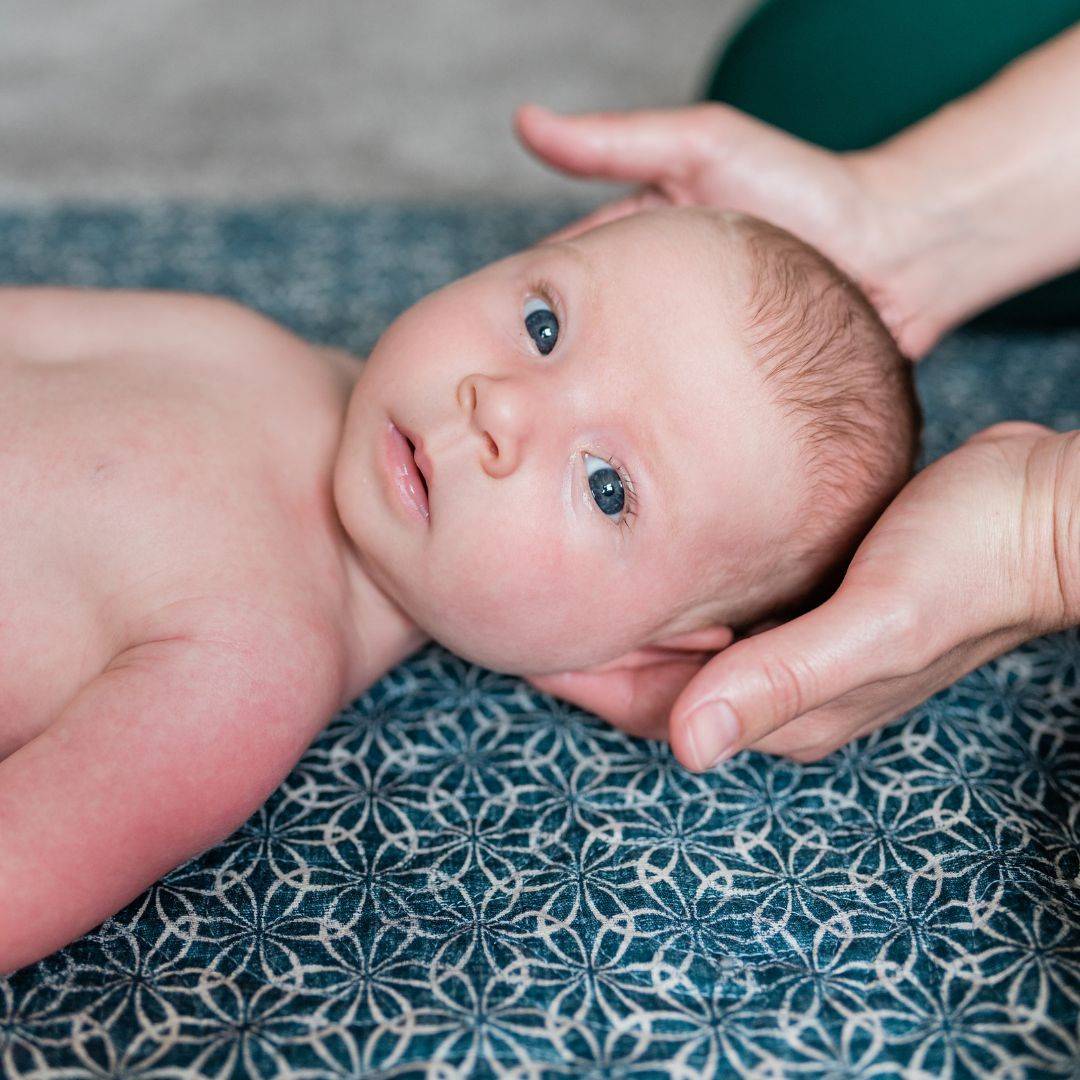
Improve subtle palpation skills to support feeding
Ready to get started?
Craniosacral Therapy for Infant Feeding Learning Objectives:
- Identify an accurate description of craniosacral therapy and the benefits of the intervention to support infant feeding.
- Identify components of an infant craniosacral assessment, adapted to the infant's gestational age and medical history.
- Differentiate compensatory tension patterns in the neonatal and infant population.
- Relate cranial nerve pathways and craniosacral findings at the sphenoid, occiput, and temporal bones to appropriate release techniques for oral motor dysfunction.
- Categorize clinical scenarios by the appropriate clinical decision (proceed, modify, or defer) based on a given infant's behavioral cues, physiological stability, and session response.
- Identify the appropriate sequencing of craniosacral therapy within a standard assessment and treatment session, including timing relative to feeding.
- Classify contraindications to infant craniosacral therapy as absolute or relative and determine intervention appropriateness across levels of medical complexity.
HERE'S WHAT'S INSIDE

RECORDED VIDEO Lessons

PDF Downloads

Recources
Let's Look Inside the Course
Here’s the breakdown of what’s in this craniosacral therapy course so you can make an informed decision and expand your manual therapy skills. Take your time — you have access to this self-paced course for 6 months.
Module One:
Course Introduction
Learn how to explain CST to families in plain, reassuring language — plus the clinical rationale (birth trauma, cranial nerve pathways, dural tension) for why it matters for feeding.

Module two:
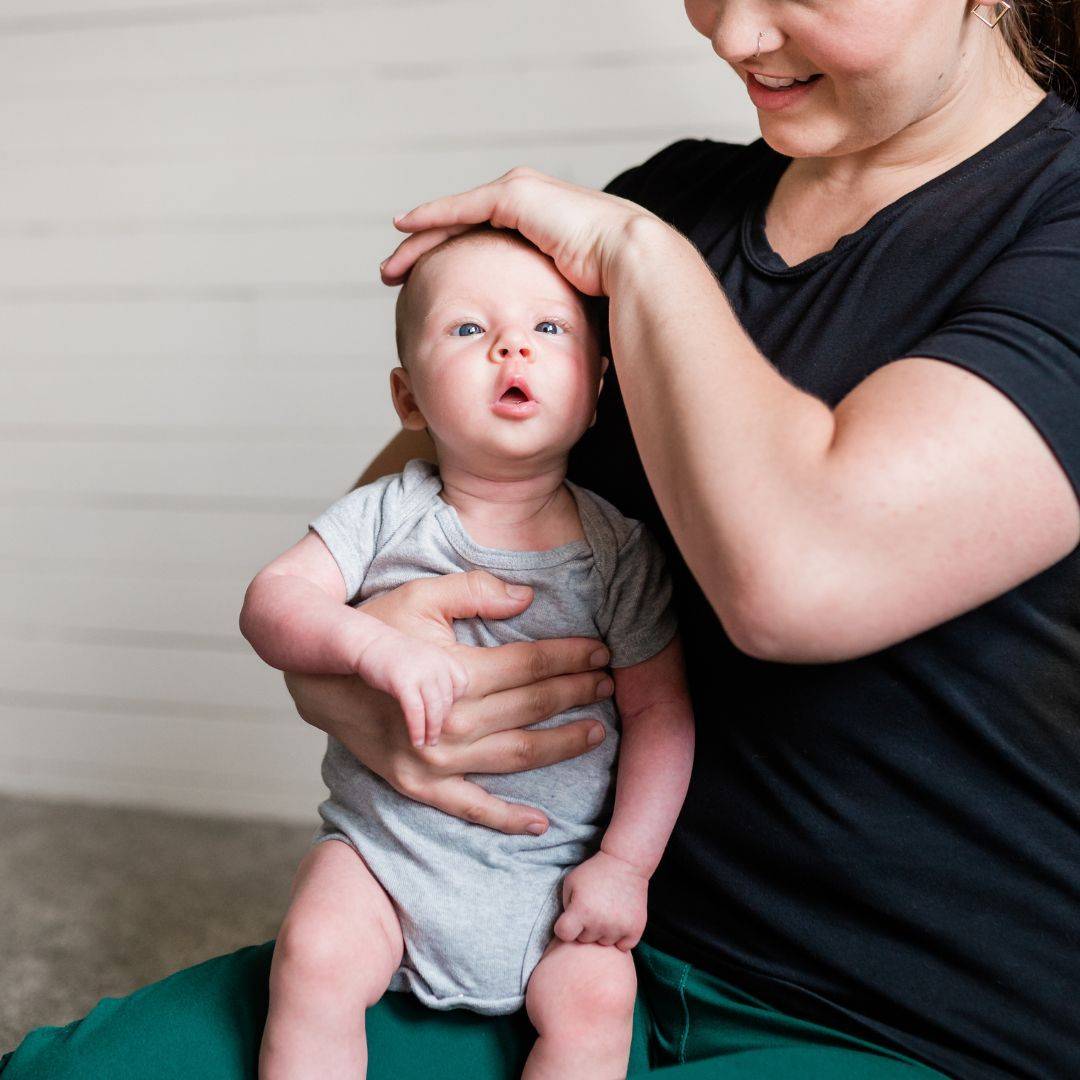
The Craniosacral System in the Neonate & Infant
Understand neonate and infant craniosacral anatomy (fontanelles, sutures, and the SBS), along with an honest look at what the evidence does and does not yet show.
Module three:
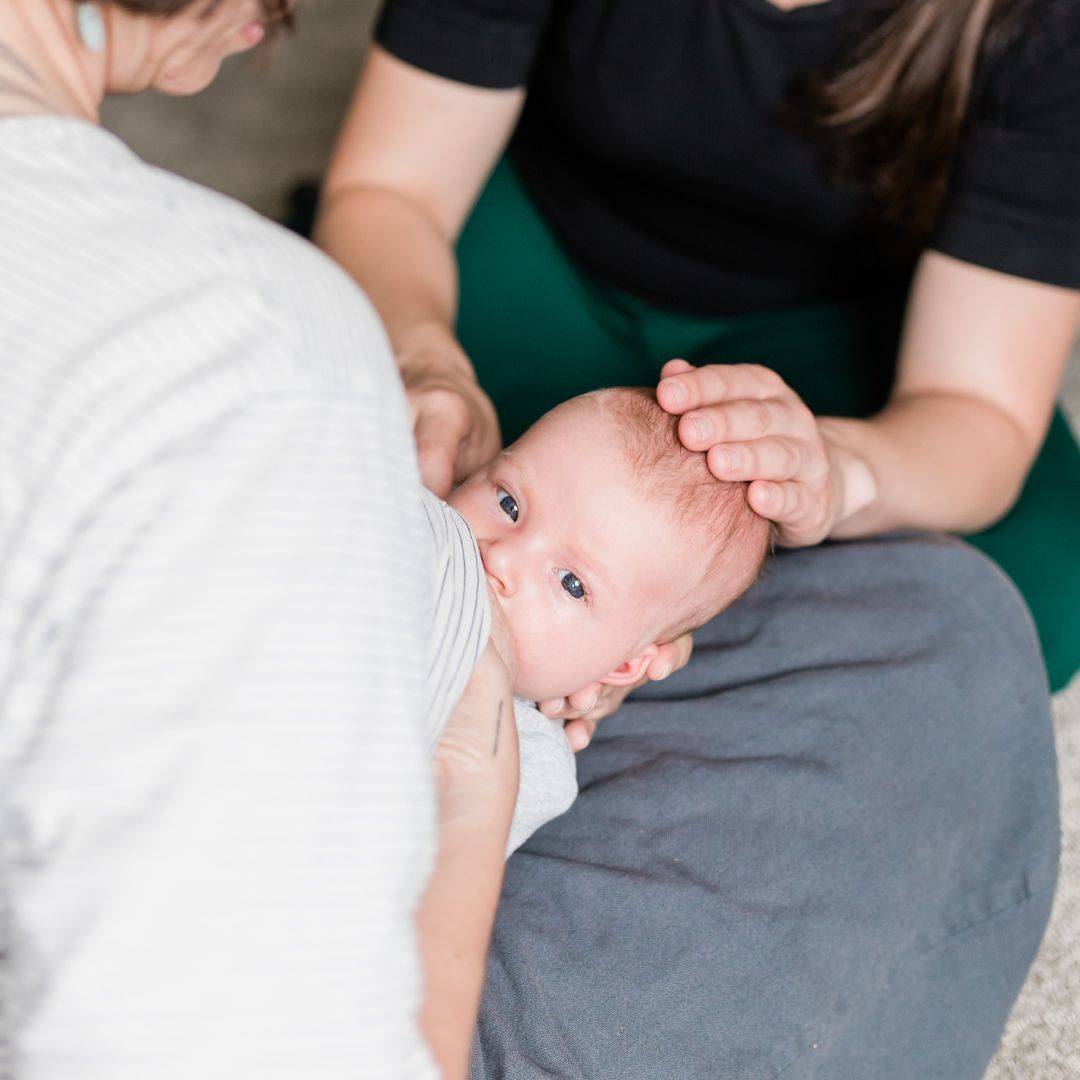
Craniosacral Assessment
Build a complete, repeatable assessment toolkit, from birth history intake through palpation and listening stations, and a 7-step clinical reasoning framework for identifying primary vs. compensatory tension patterns.
Module four:
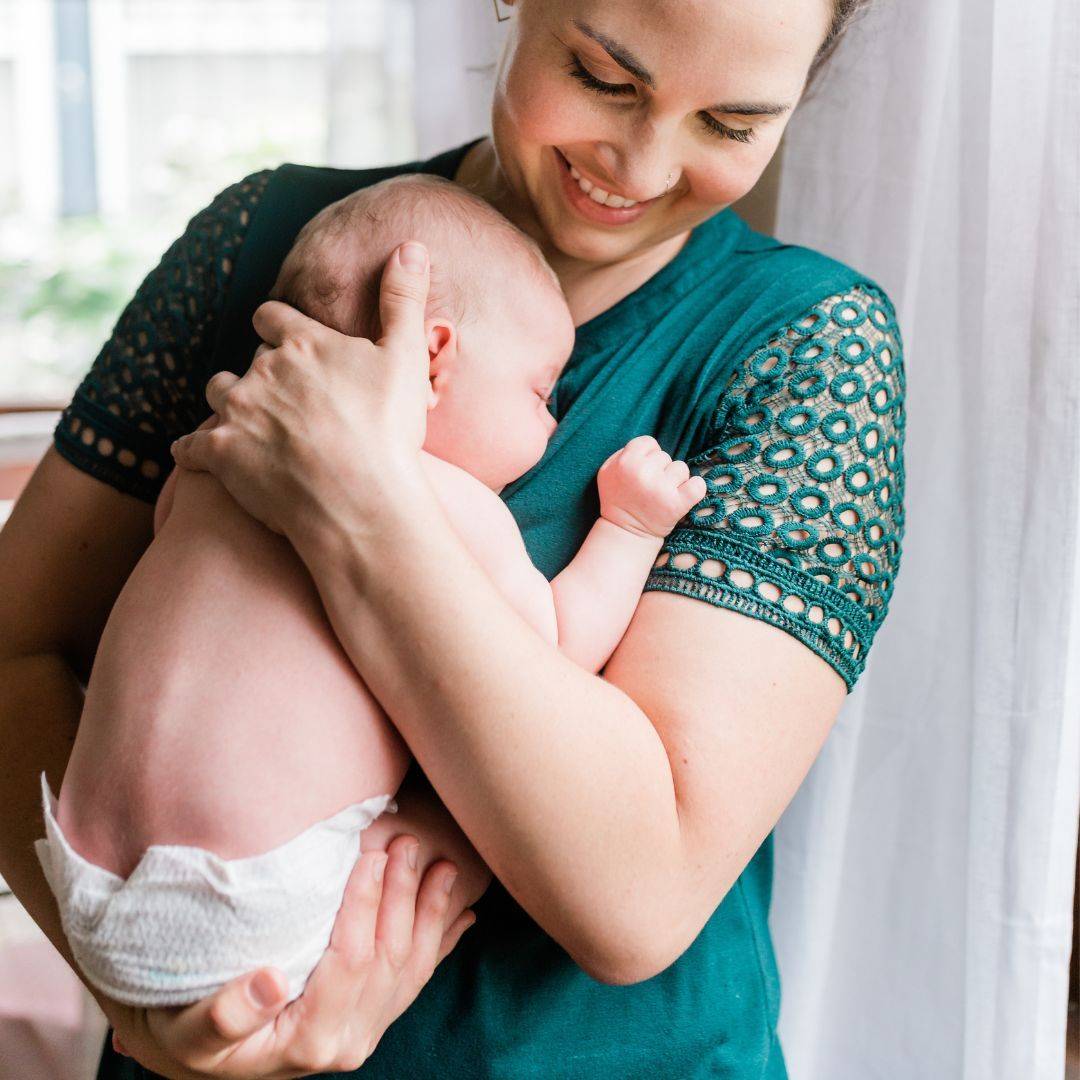
Cranial Nerves, Oral Function, and CST
Learn to map feeding symptoms directly to the cranial nerve and bony structure behind them, including how to tell CN XII compression apart from a true tongue tie.
Module five:
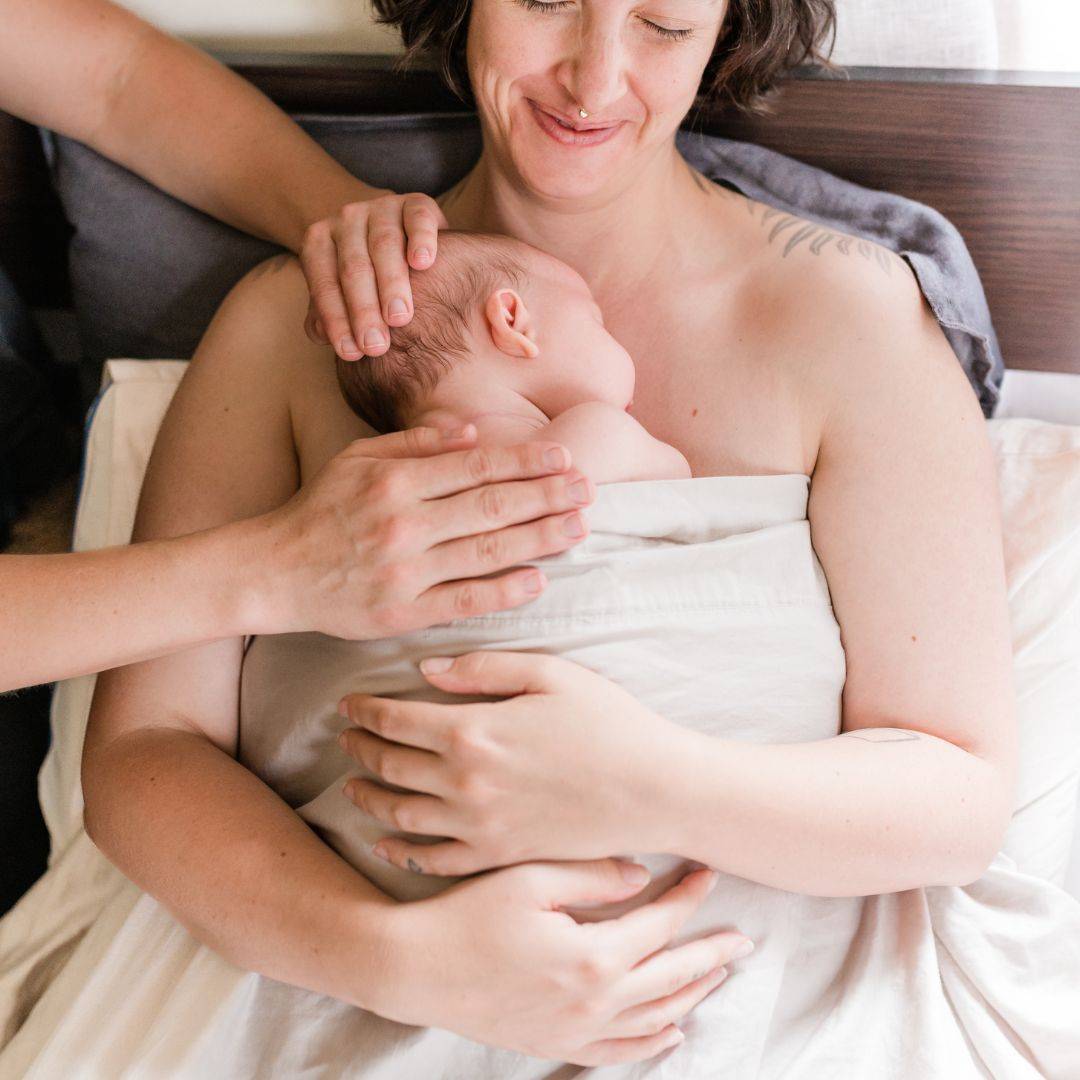
Contraindications & Clinical Safety
Includes a clear, short list of true contraindications and a proceed/modify/defer framework you can run in under 60 seconds at the start of every session.
Module six:
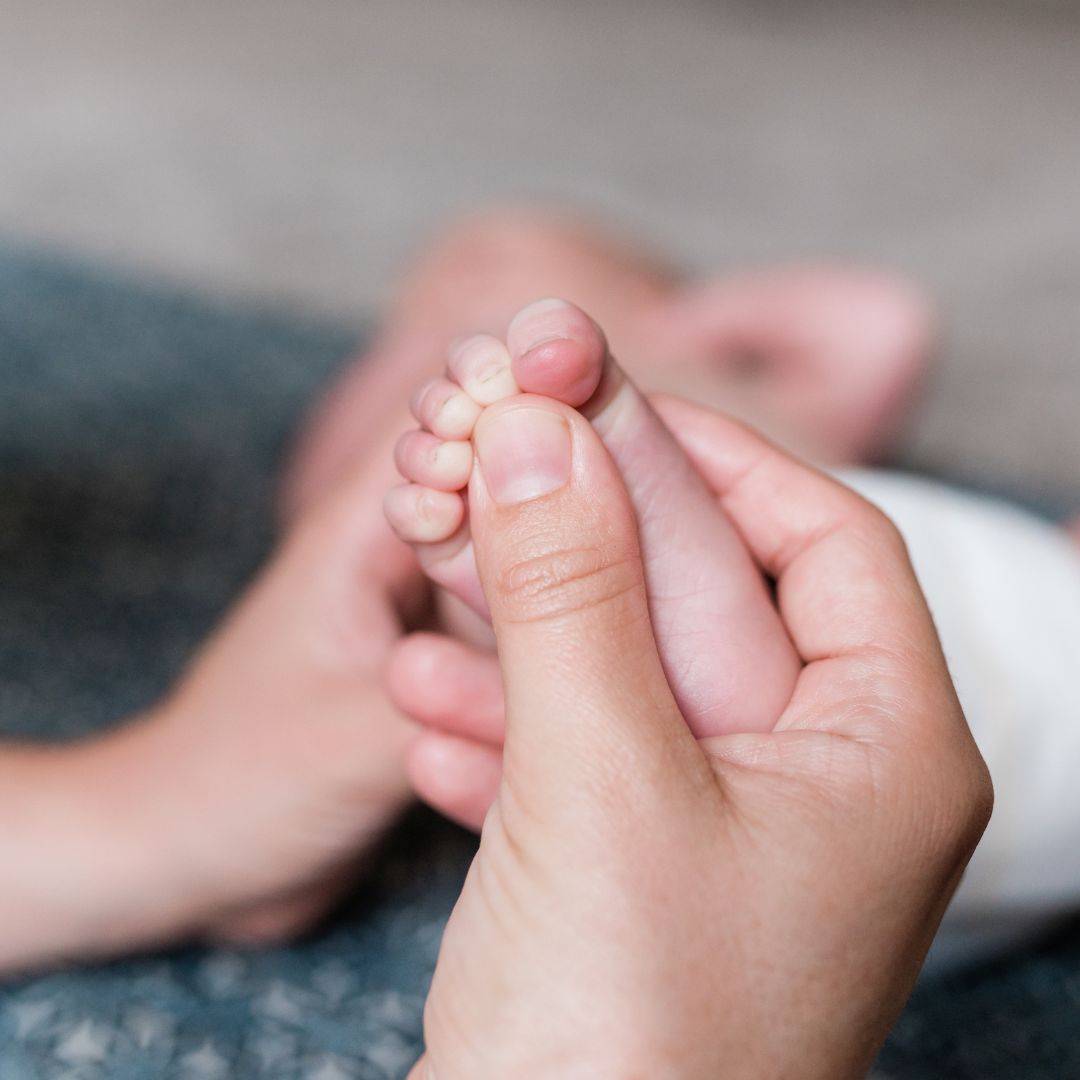
Core Treatment Techniques: Hands-on Practice
Practice a full toolkit of hands-on techniques, from still point induction to sphenoid, temporal, and sacral work, and learn to read an infant's release cues and stress cues in real time.
Module seven:
Integration into Assessment & Treatment
Work through five real clinical cases, from birth history to outcome, to see the entire reasoning process in action and learn how to sequence CST within a full feeding session.

Module eight:
Documentation & Interdisciplinary Communication
Walk away with ready-to-use documentation language and referral notes for pediatricians, IBCLCs, and proceduralists. The exact wording that gets CST taken seriously as clinical treatment.
Craniosacral therapy for infant feeding
Course Instructor
Emily Knell Spaeth
PT, DPT, IBCLC, TIP, CNT, CIMT II, RPYT, BRM® Pro, EBB® Instructor
Dr. Emily Spaeth grew up in Oakland, California where she started her career in the world of babies working in a nursery at the age of 12. Emily studied sociology and music in undergrad at Willamette University in Salem, Oregon. Her thesis examined yoga as a ‘third place’ and it seemed only natural to pursue a career as a yoga teacher (RPYT). After training with Prajna Yoga in Santa Fe, New Mexico, she returned to the pacific northwest to attend East West College of the Healing Arts for massage therapy school. Ever-inspired, she had to learn more.
After opening her first business in 2012, which blended yoga and bodywork, she started the journey of taking prerequisites for a doctoral program in physical therapy. Emily graduated from Samuel Merritt University in her hometown with a degree as a doctor of physical therapy (DPT), and specialized as a Certified Neonatal Therapist (CNT) in a level IV NICU, where she has created training for healthcare professionals in the hospital system in providing age-appropriate, trauma-informed neuro-developmental care. She brings years of experience as a licensed massage therapist (LMT) to her physical therapy practice and is a certified neonatal touch and massage therapist (NTMTC), and Advanced Certified Infant Massage Teacher (CIMT II). She has continued her studies in pelvic floor physical therapy studying Holistic Pelvic Care™ and Pelvic Floor Yoga™.
She finally found her calling when she started blending lactation support with physical therapy, yoga, and bodywork, in her business Be Well Baby PDX and is now an IBCLC. Her business helps to support families pre-conception through postpartum.
She loves to empower caregivers, and as a Certified Trauma Informed Professional (TIP), she weaves her passion for trauma informed care throughout all interactions with her small patients and their families, especially in the context of breastfeeding or chestfeeding. Finally, Emily enjoys hiking, baking, and snuggling with her own kids.

Instructor Disclosures
AOTA Approved Provider
Enroll NowFrequently Asked Questions
Who is this craniosacral therapy course intended for?
OT, COTA, PT, and PTA would benefit most from the course material. Other providers with a full-body scope of practice such as RN, LMT, DO, or DC would also find great value in the course.
Are there prerequisites for this course?
Yes, Bodywork for Better Breastfeeding is the required prerequisite. Contact us at [email protected] if you have questions.
Can I count this course towards my 90 hours of lactation-specific education?
Please review the IBCLC Commission page for further details on lactation-specific education hours.
Information about AOTA CEUs
We have applied for 0.6 AOTA CEUs for this course for occupational therapists and occupational therapy assistants. Participants will be required to:
- Complete the course in its entirety (100% of the course watched)
- Complete a multiple-choice post-assessment with a passing score of at least 80% (untimed test)
Information about ASHA CEUs
This course will not have CEUs directly submitted to ASHA. You will receive a certificate of completion and can use the CEUs towards the 30 PDHs required for each 3-year certification.
Information about CEUs for Physical Therapists
APTA does not currently have an approved provider program for individual companies. If you need any information to submit to your state, please send us an email. We meet the requirements for multiple organizations and we are happy to provide any documentation that you may need.
How long will I have access to this infant massage course?
6 months from the purchase date.
What is your refund/cancellation policy?
Refunds must be requested within 14 days of purchase by emailing [email protected]. A full refund is available if no modules have been started. A partial refund is available once ANY portion of the course has been viewed. The amount refunded is at the sole discretion of The Lactation OT LLC. There is no refund available after 14 days of purchase OR if module one has been completed. Recipients will receive acknowledgment of refund requests within 3 business days. If the request is valid per the terms listed above, the refund will be processed within 7 business days. If for any reason the course is canceled by The Lactation OT before the course is started, a full refund will be provided.
How do I request special accommodation?
Please send us an email at [email protected] at least 14 days before starting the course with further details of your request.
Learn more from Emily!

Infant Development for Better Breastfeeding
-
Focused on birth through 6 months
-
A month-by-month review of reflexes, sensory, fine motor, gross motor, and cognitive/communication skills
-
8.5 hours, 0.85 AOTA CEUs

Bodywork for Better Breastfeeding
-
Focused on foundational anatomy for bodywork techniques
-
A review of multiple modalities, including massage and myofascial release
-
8 hours, 0.8 AOTA CEUs
Client-centered, gentle, responsive manual therapy skills